
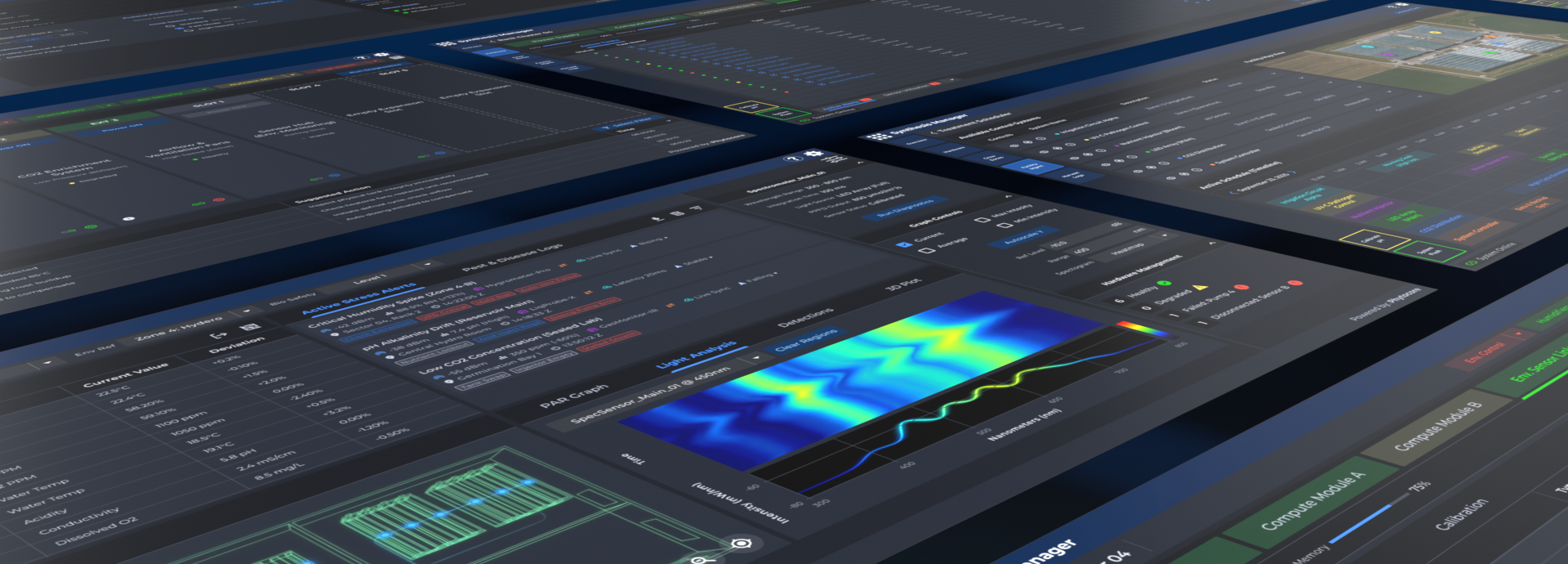
Design System Modernization
Scalable UI Architecture
Client: Pacific Defense
Focus: Product Design | System Architecture
NDA Disclaimer: To comply with non-disclosure agreements, the copy and data in this case study have been adapted from a Department of Defense (DoD) suite of applications to a fictional agricultural theme (Synthesis Manager). The structural design, interaction patterns, and system logic remain authentic to the active standard for development.
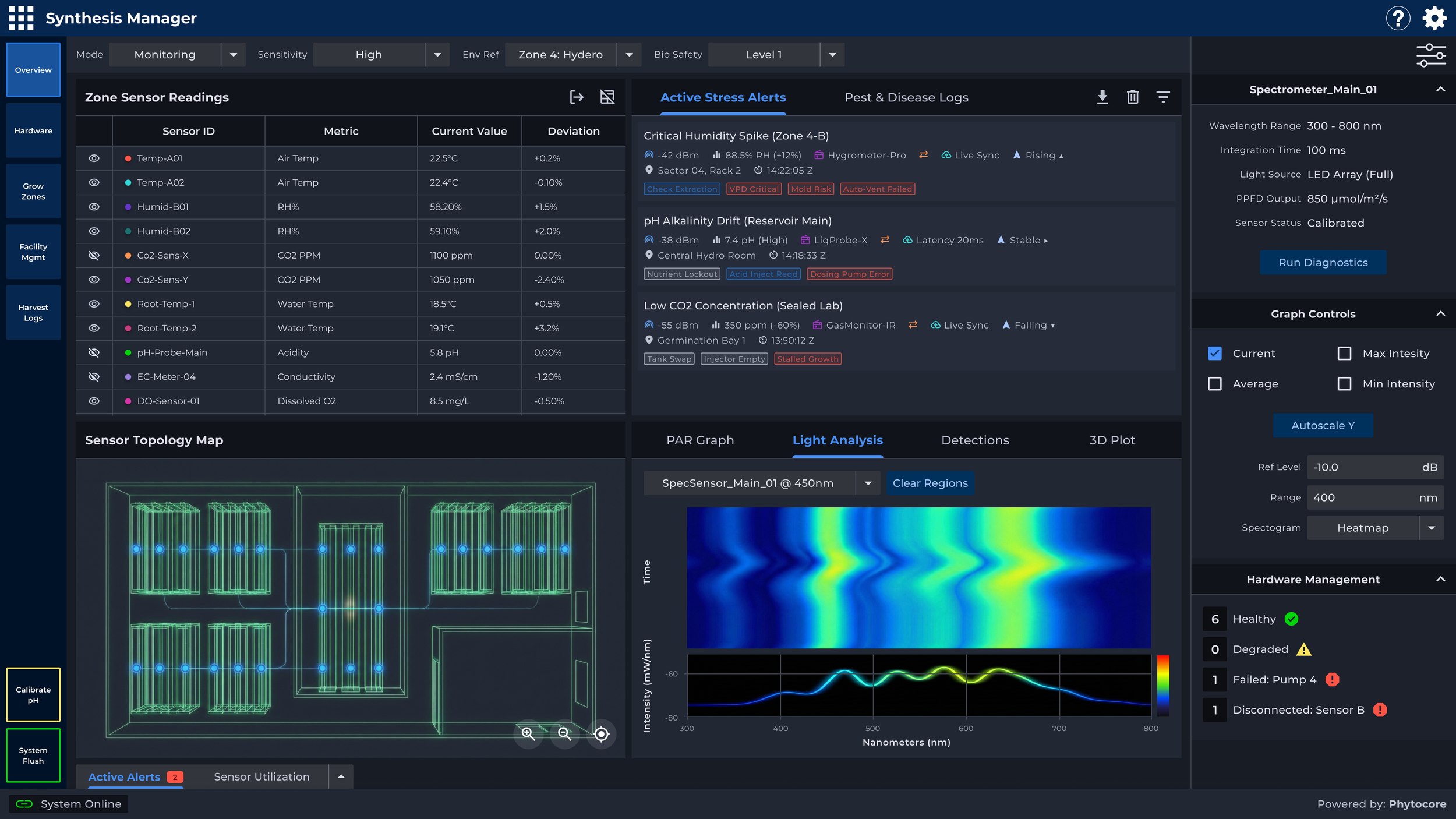
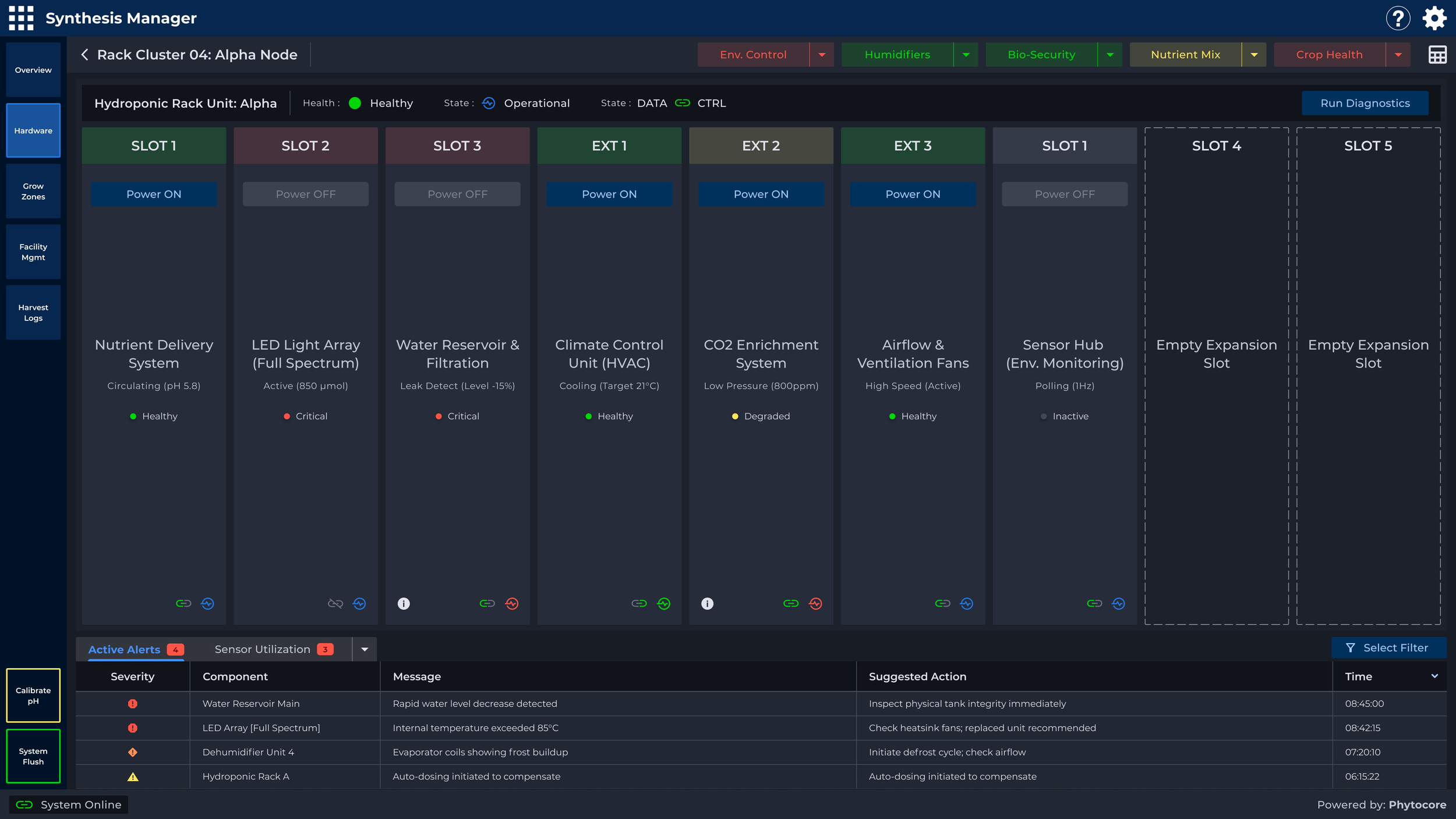
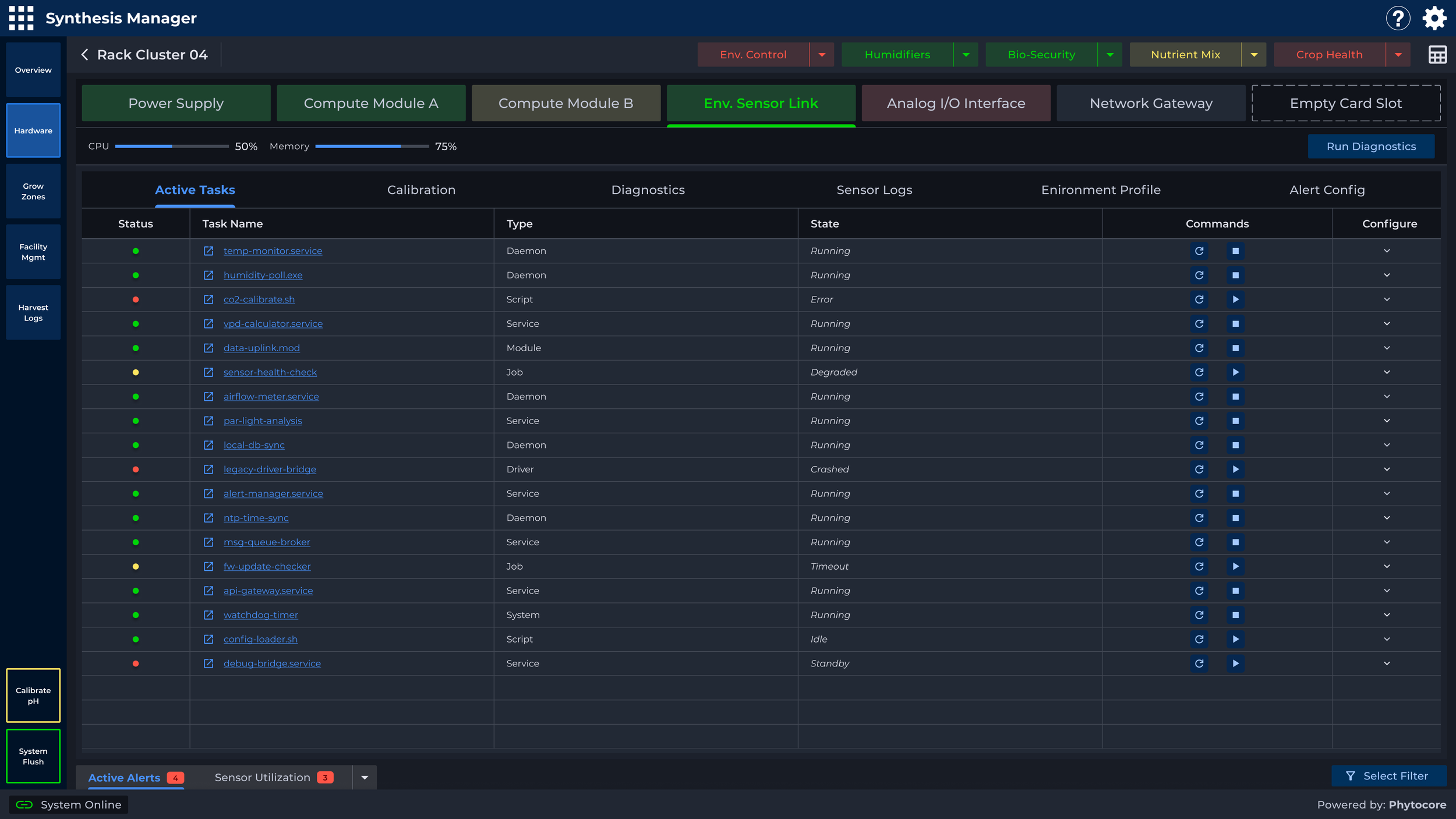
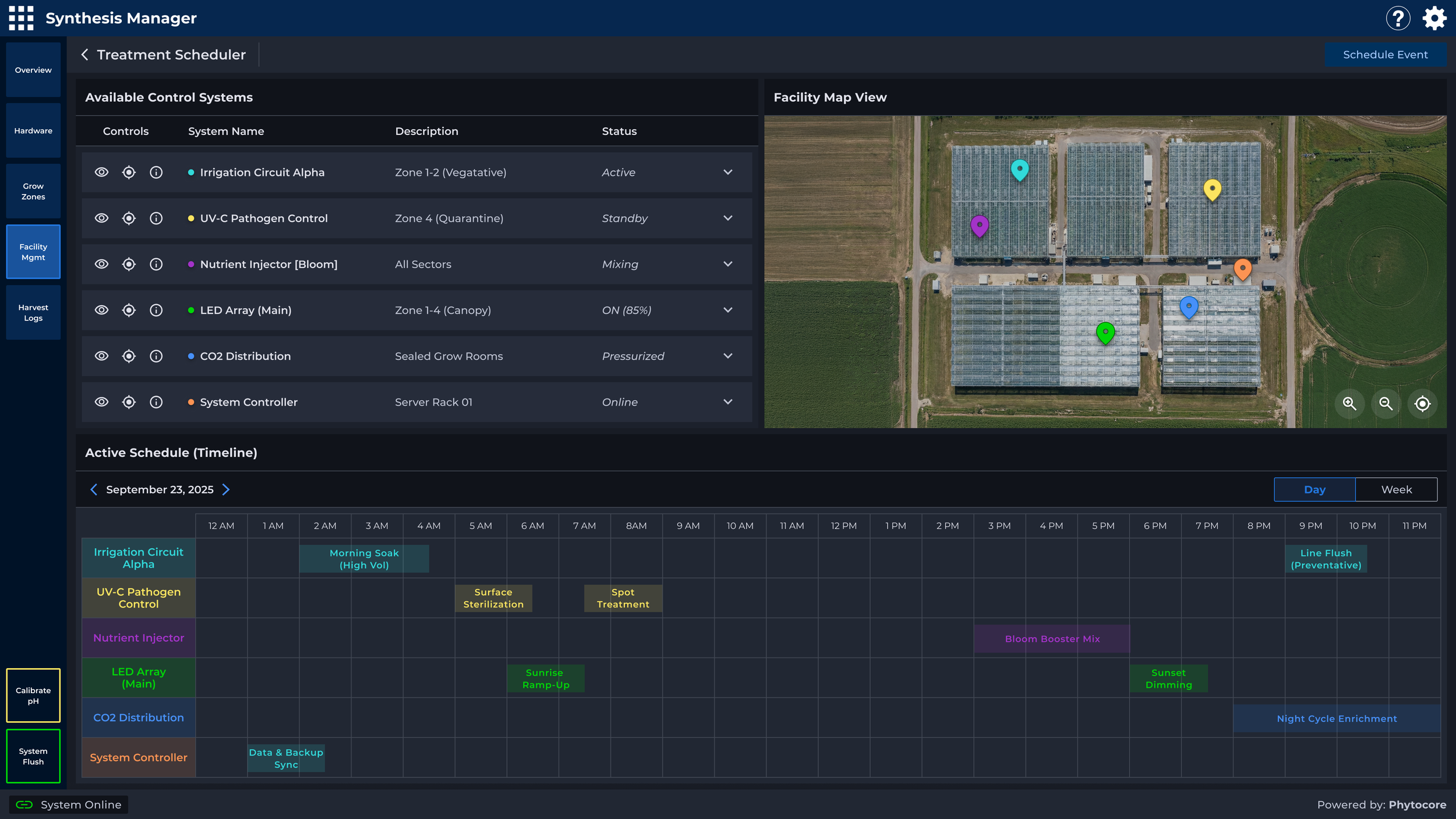
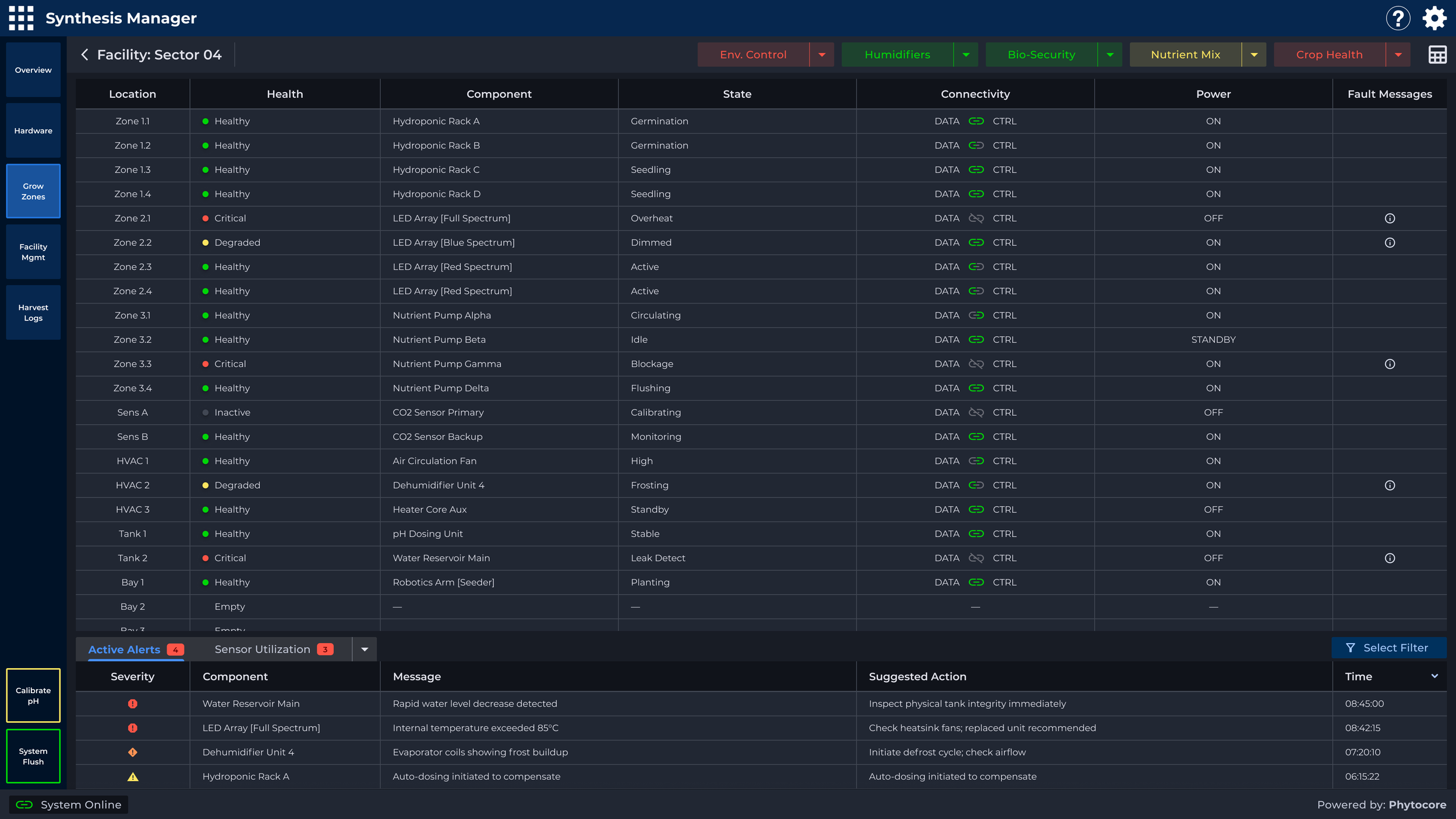
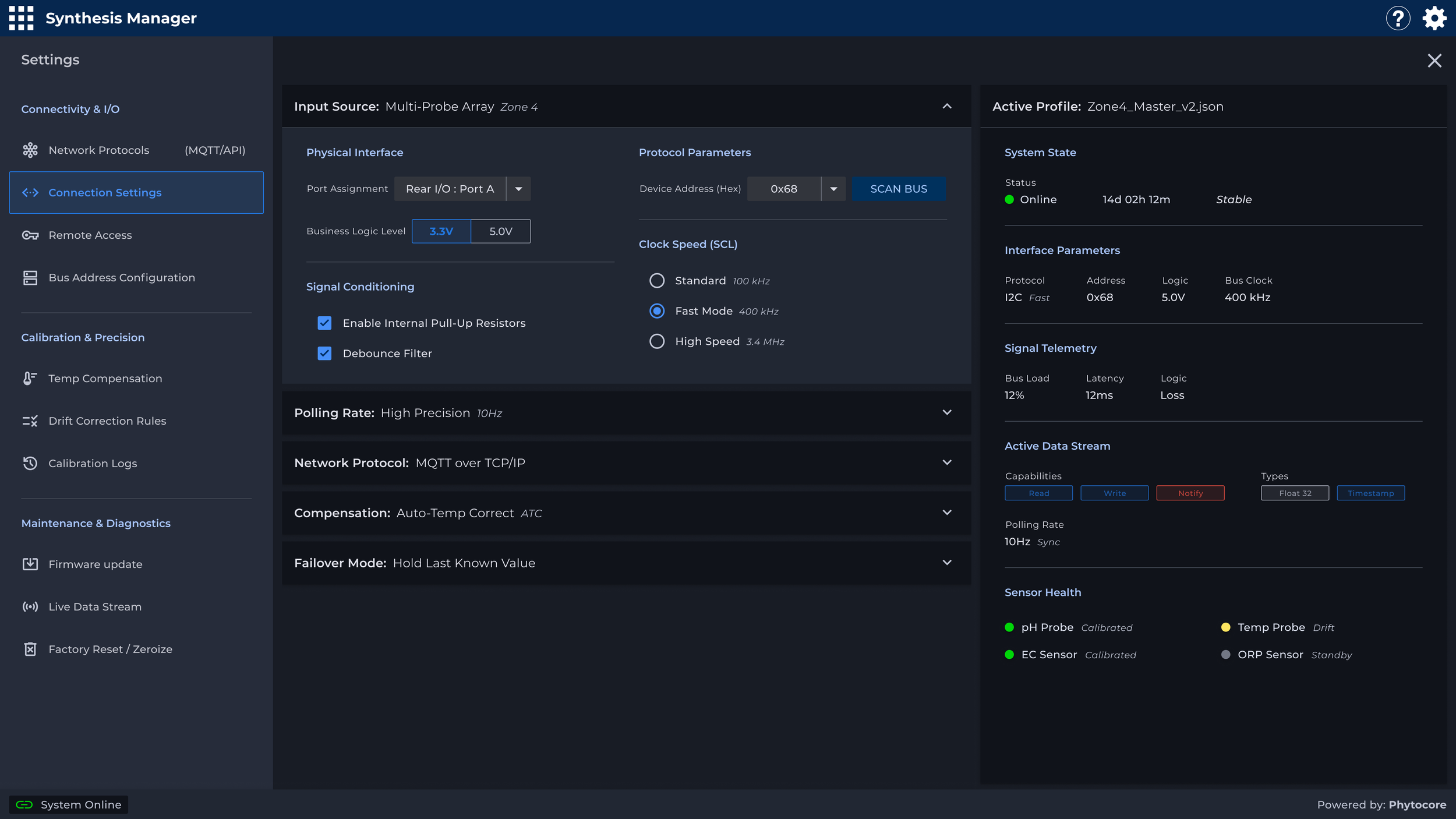
Evolving the design language to enhance consistency and scalability
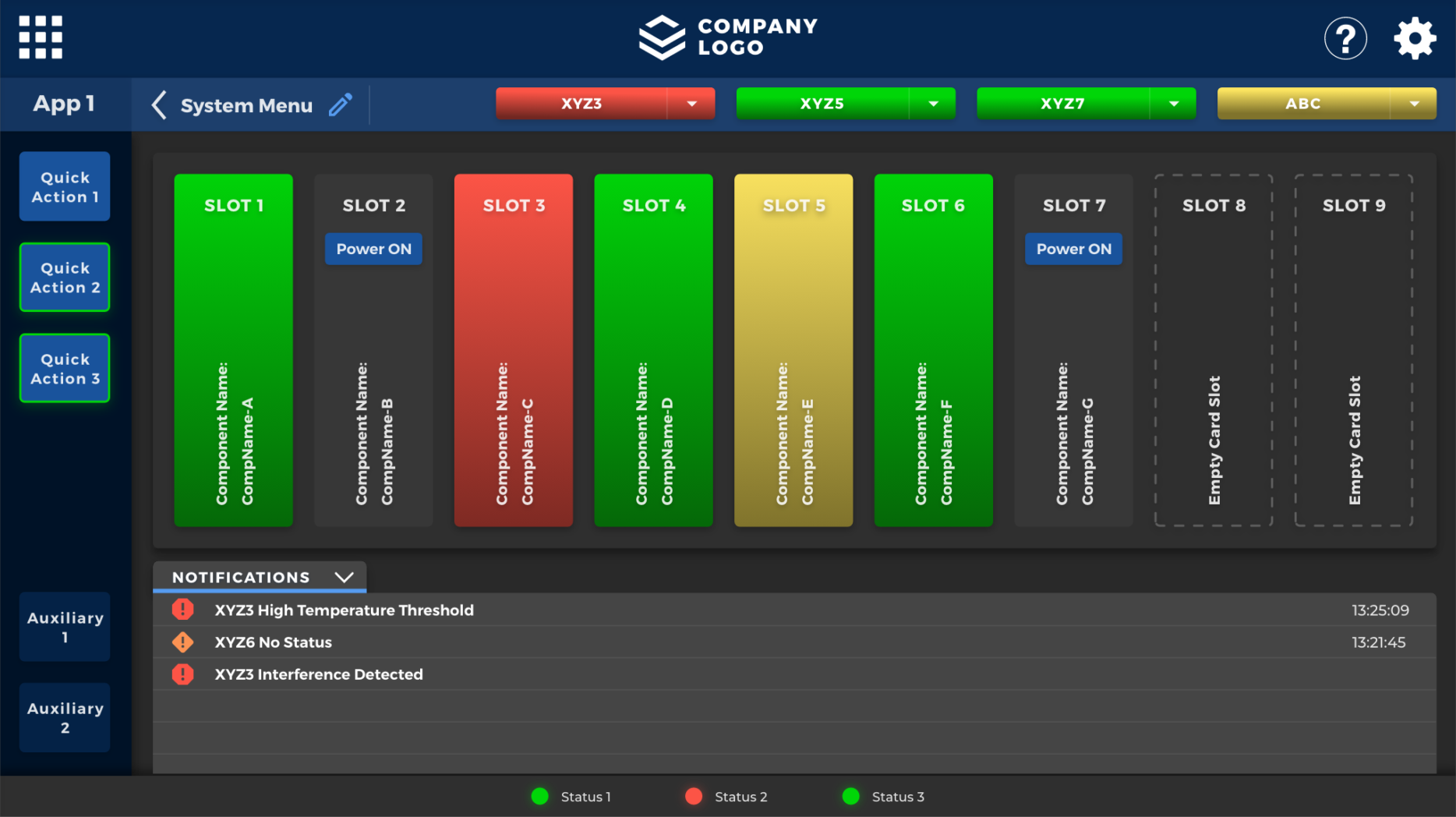
The pre-migration interface built on Material 2, characterized by rigid containers and heavy gradients that limited data density.
-
The design team was tasked with modernizing a suite of legacy applications to improve product consistency and accelerate development. To achieve this, I identified the critical need to retire our legacy tools (Adobe XD) and architect a new, scalable system in Figma that would support the long-term growth of the product suite.
-
I led the strategic migration to Figma and championed the adoption of Material 3. I was responsible for the end-to-end creation of the component library, utilizing modern features like design tokens and variables to bridge the gap between design and engineering.
-
Modernization: Replaced static legacy files with a dynamic Figma library, utilizing Variables and Auto-Layout to create a "living" design system.
Accessibility: Integrated Material 3 principles to ensure all components met WCAG 2.1 AA standards, specifically optimizing contrast and touch targets for complex data.
Scalability: Built a tokenized architecture that supports multi-brand theming, allowing for seamless visual adaptation across different products.
Collaboration: Streamlined developer handoff by aligning Figma variables directly with code tokens, creating a shared language between product, design, and engineering.